Solving the Experience Conundrum: Lowering Upskilling Barriers to Entry
Tech hiring managers, their workers, and learning institutions alike have been grappling with serious root-cause issues when it comes to getting tech experience. The core problem is not merely that workers lack skills. It is that employers, educators, and workers lack a shared definition of credible experience in a rapidly changing technology environment. It’s time that each of these parties create a shared vocabulary, especially as technology continues to advance at unprecedented speeds.
This lack of consensus about the word “experience” creates serious barriers to entry for everyone – from new tech students to grizzled IT veterans. That lack of consensus also affects academic institutions from around the world. It’s a conundrum. I even had a CISO from the finance industry tell me during a corporate roundtable that it was long past time that we “address the mess.” That phrase continues to resonate.
I firmly believe that this lack of consensus helps propel false narratives about the workplace. For example, I am barraged (and quite bored by) stories about how no one is hiring “freshers” and “newbies” anymore, and that (once again), all technology-related jobs are falling off a cliff, driven by breakneck AI adoption. Frankly, that’s just nonsense. I’ve been hearing about the demise of the IT profession since the early 1990s. Each time, hiring continues to rise – just for different sets of skills.
“The industry isn’t experiencing a 'skills gap' issue as much as it is experiencing confusion about the meaning of 'experience.'”
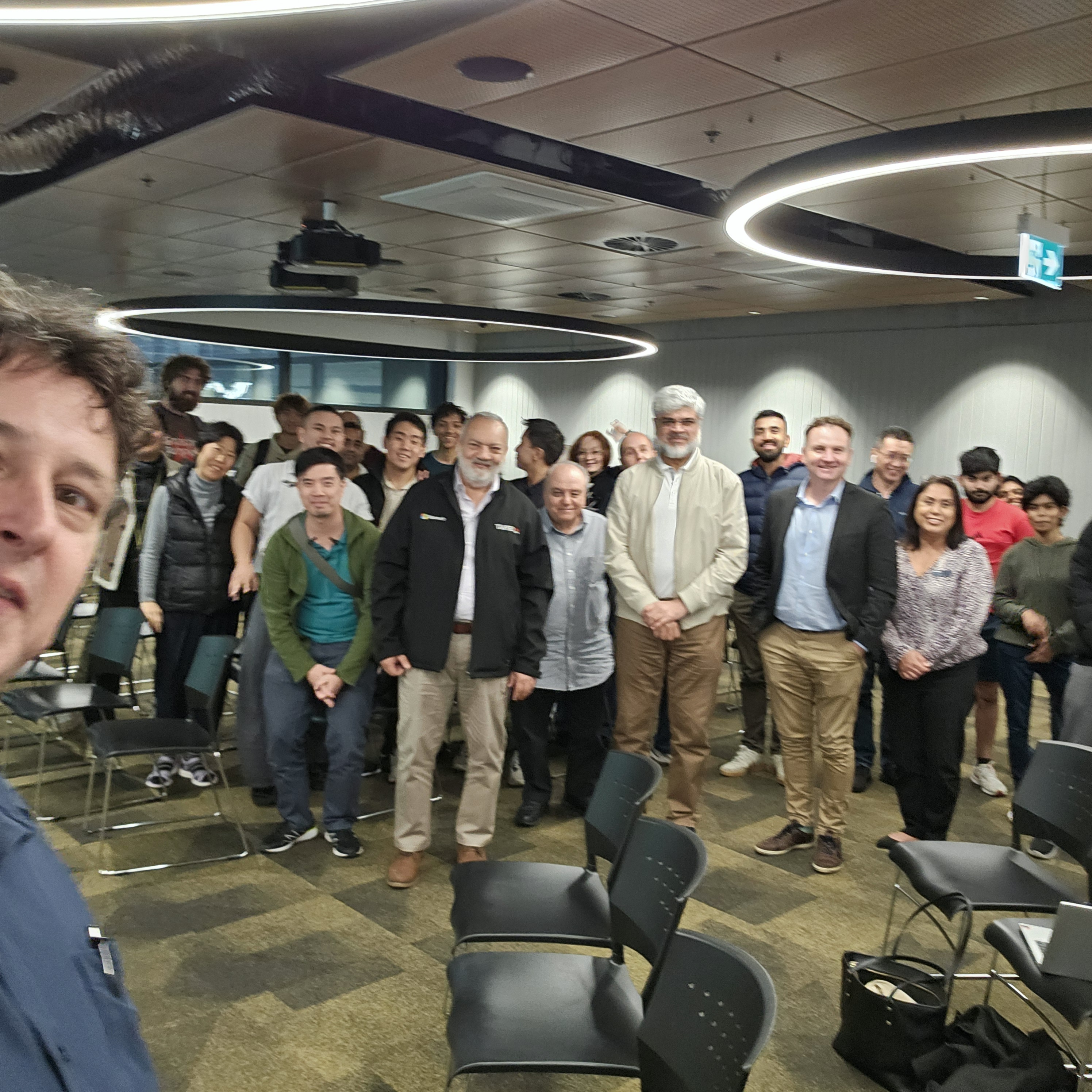
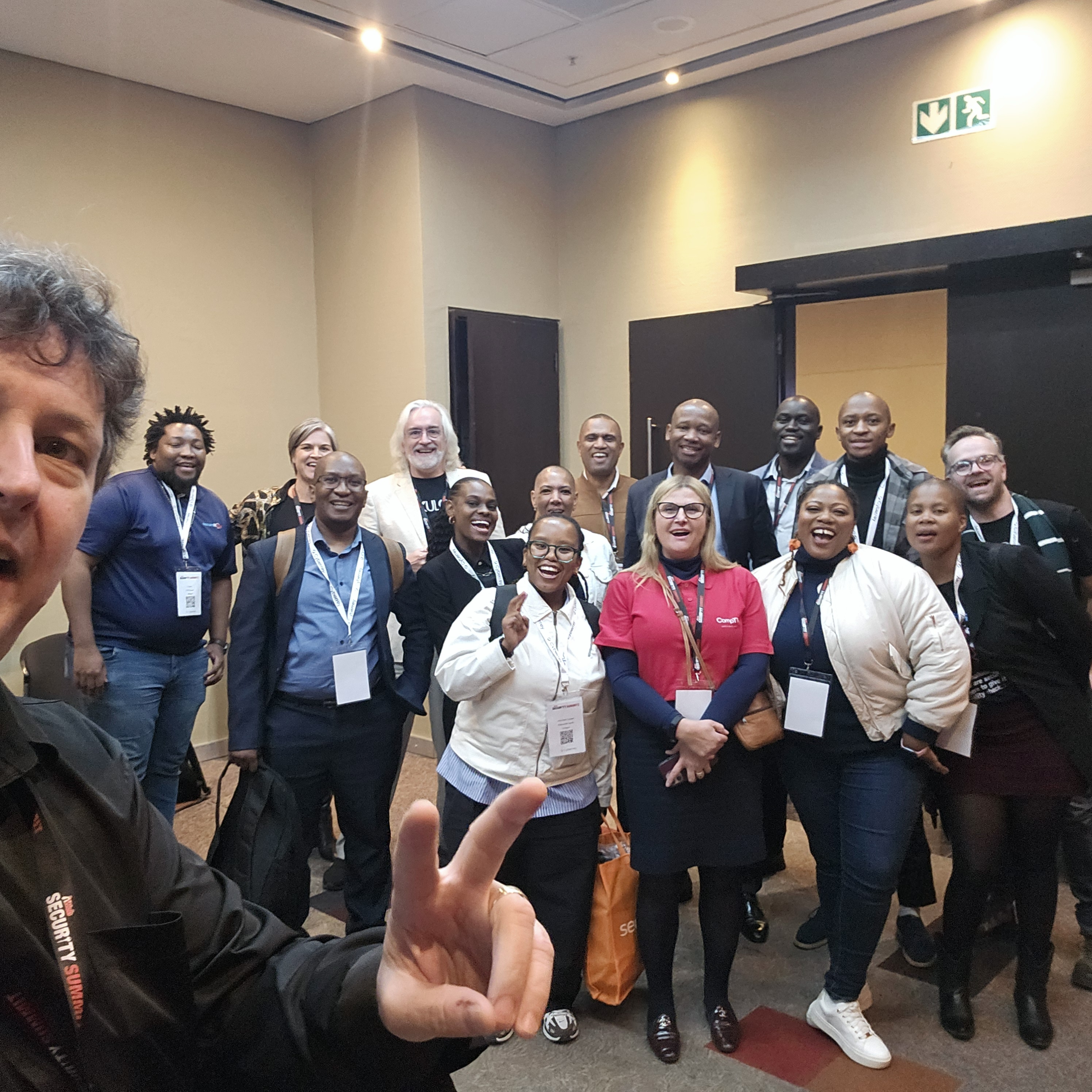
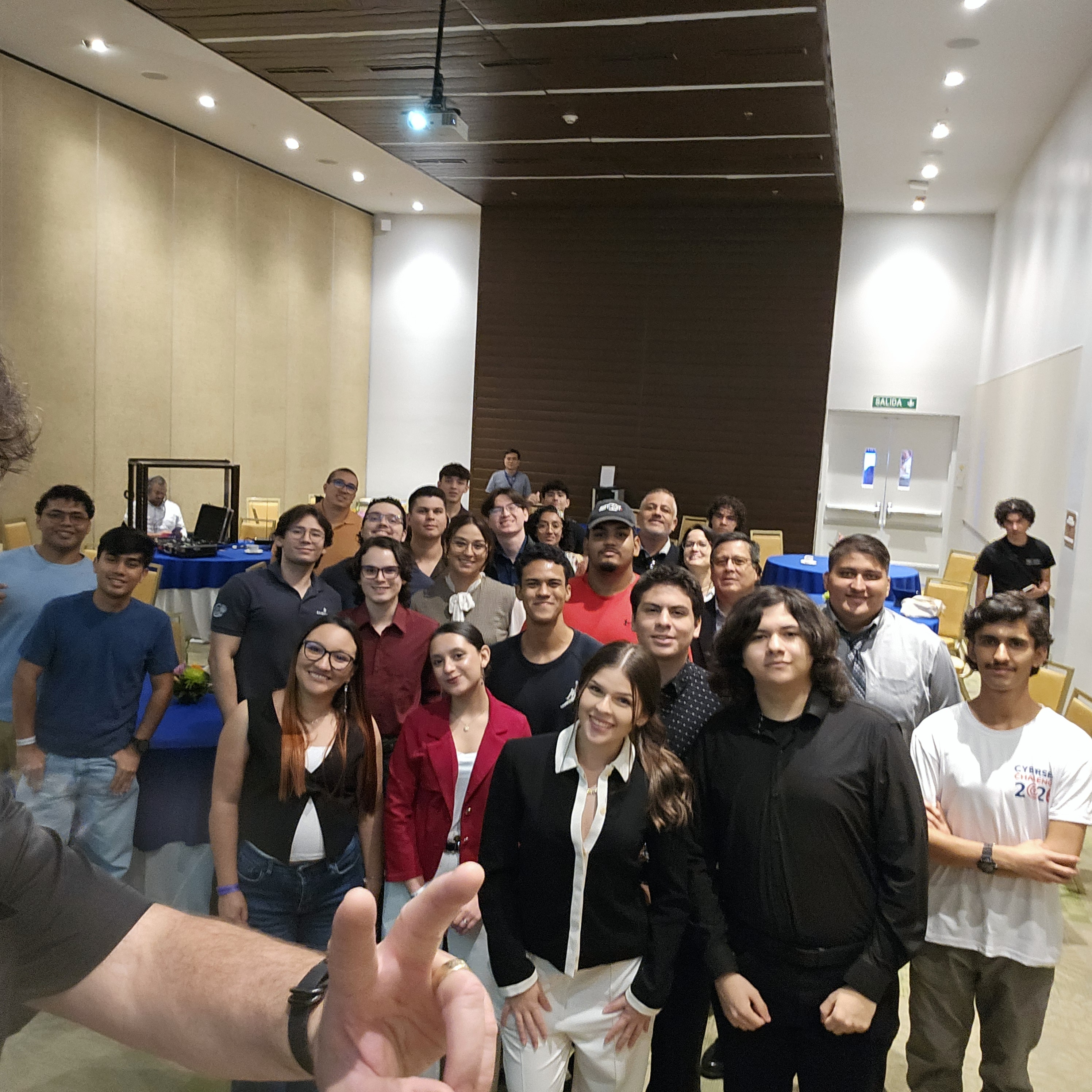
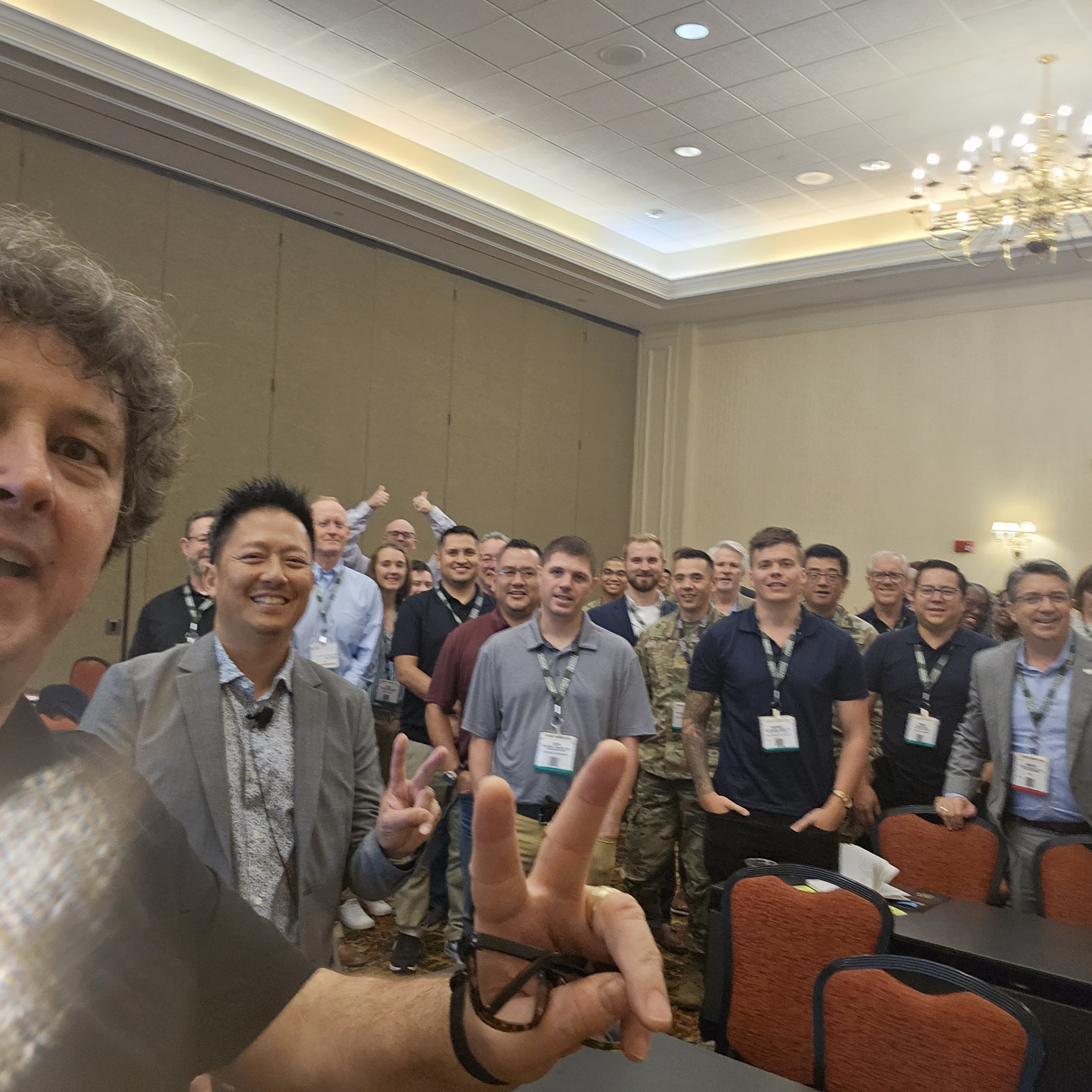
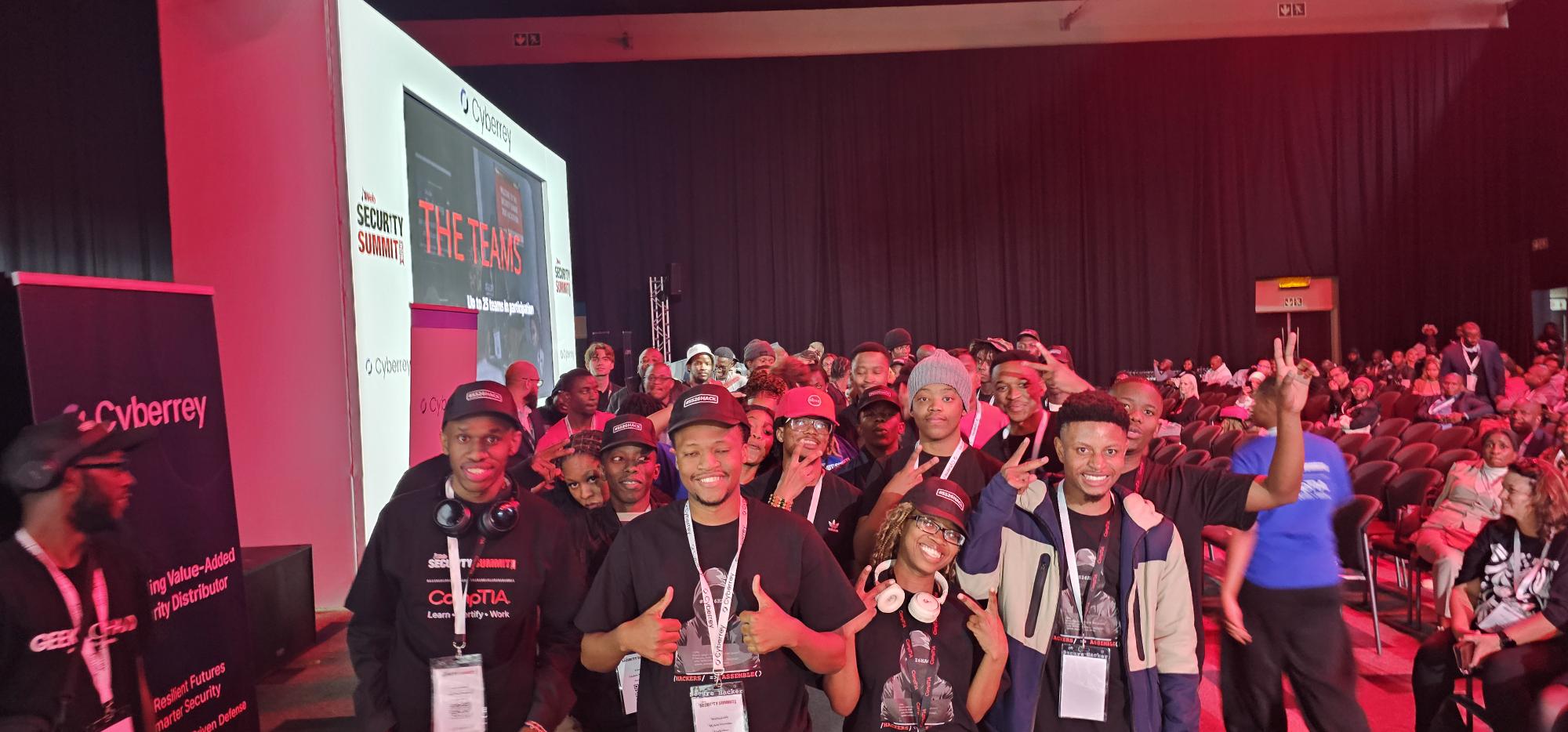
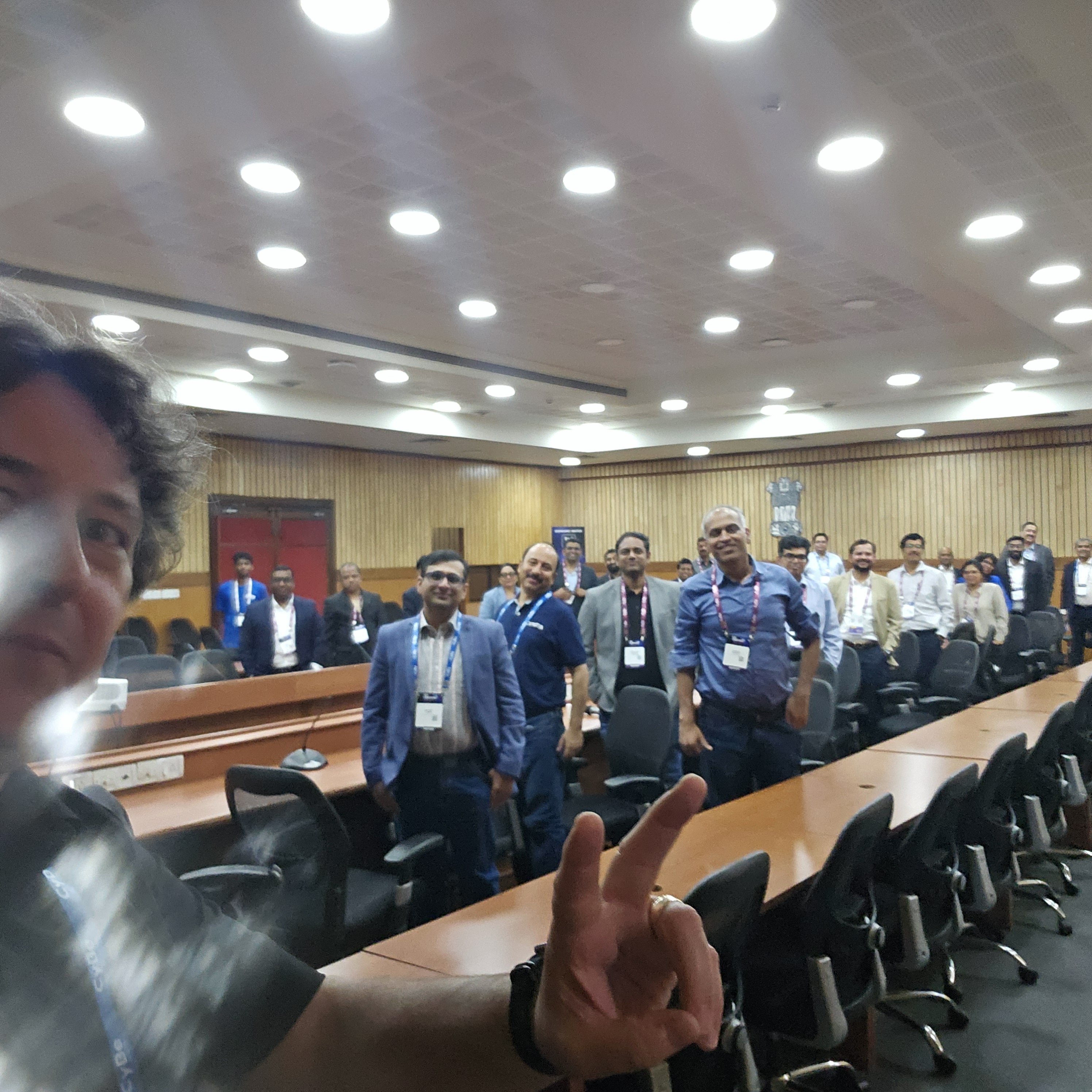
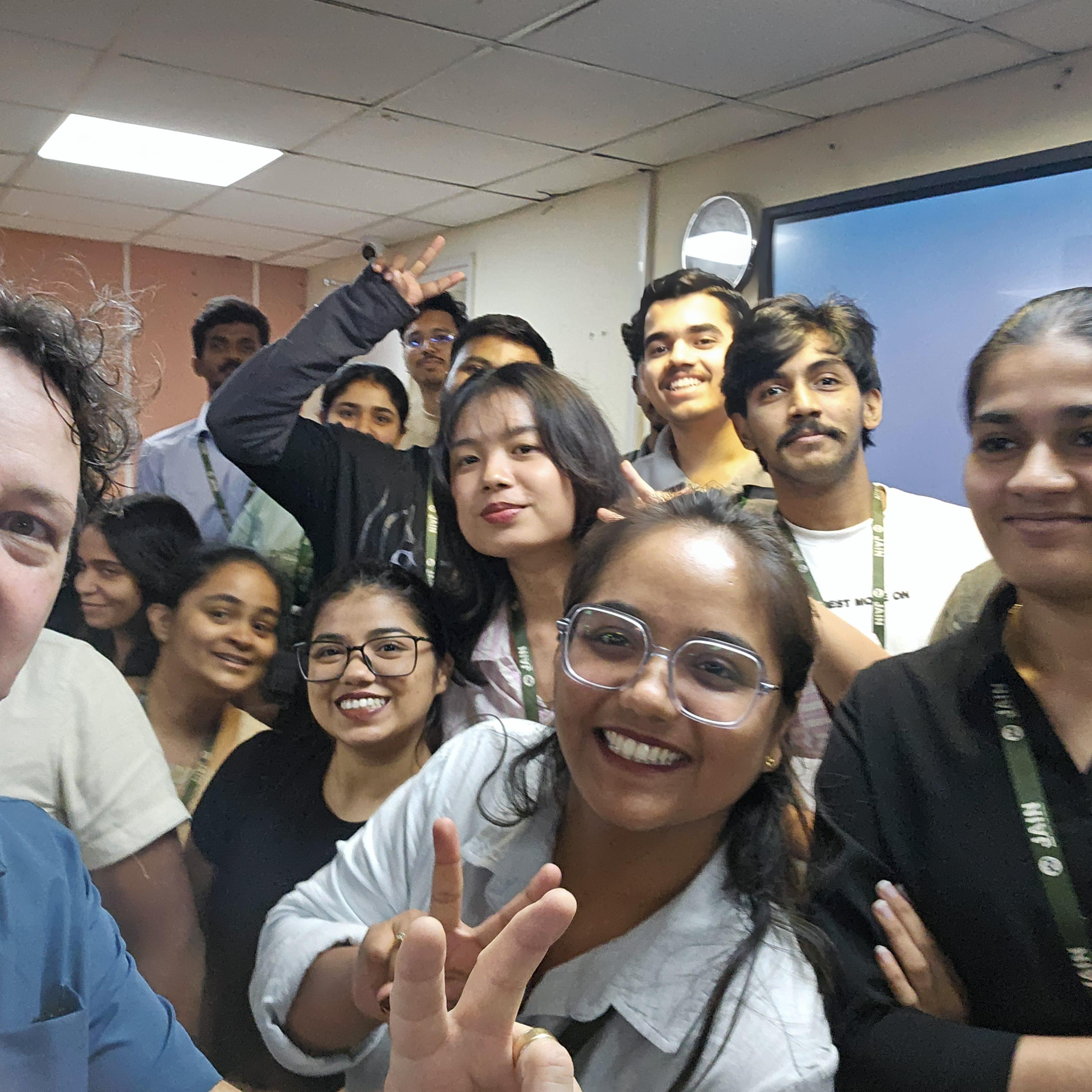
Over the last couple of tours I’ve taken, I have been lucky enough to teach industry leaders, workers, and “fresher” students on five continents: Asia (India), Australia, Africa, Europe, and the United States. Recently in Melbourne, I taught the foundations of tech to raw Signaling Corps recruits. In Johannesburg, I met with corporate and upskilling professionals about addressing AI-driven changes in job roles. In Brussels, I worked with NATO leaders on implementing cutting-edge cybersecurity education. In Washington, D.C., I helped IT instructors and cybersecurity workers hone their AI fluency skills. In India, I worked with university students in both the north and south parts of the country. I then met in Bangalore, India, with industry leaders from companies such as Bank of America, HSBC, Accenture, Deloitte, Xerox and Zscaler. They are all struggling to negotiate serious barriers to entry, or friction, as they engage with the workforce. They repeated the same things that industry leaders have told me in Augusta, Brussels, Chandighar, Delhi, Djakarta, London, Sydney, Tokyo, and Wiesbaden.
As upskilling leaders, it is important for us to admit that there is no single solution. It would, for example, be less than honest to simply state “Hey, look: We’ve partnered with an AI platform that will revolutionize learning.” Lowering long-standing barriers requires more than simple AI virtue signaling. It requires nuanced work in many separate issues, including:
- The experience catch-22 / “chicken and egg” conundrum: This barrier affects more than just “IT newbies.” It affects mid-level and experienced workers. It’s not enough to congratulate a student for completing a certification or cyber range, and then send them on their way. Doing so is even worse than when Miracle Max yells, “Have fun storming the castle!” in The Princess Bride. In today’s chaotic age, students experience “impostor syndrome” as a result.
- Lack of consensus about competence: Employers, employees and learning institutions no longer agree upon the best way to express or “signal” technical and organizational competence. For decades, the 4-year degree was that signal. Industries and individuals alike are actively discovering the next currency that sends the best signal to employers. The problem is, we’re witnessing confusion throughout the world as to how people obtain competence; too many cynical institutions have tried to lay claim that they are the only ones that know how to prove competence, when they are simply pushing their own learning platform.
- The HR / hiring manager disconnect: While some organizations have cracked the code, it is still common for both small and large organizations to botch the job requisition process. One symptom is the “purple unicorn” job postings that ask for fully-realized workers.
- Lack of pathway-based mentoring: Career-changers and first-generation tech workers do not have the benefit of a scalable mentoring network that is based on a coherent, industry-defined pathway. Solving this problem will make hiring managers confident in the steady stream of students today’s learning institutions are producing.
- Tech’s chronic image problem: I’ve been in the tech industry for thirty years. In that time, I’ve seen booms, bubbles, transformations, and troubles. The cloud was going to eliminate all tech workers. With the advent of AI and other exponential technologies (e.g., quantum), we’re now hearing about how AI has an image problem. Today’s technologists work with tools that relentlessly replace and revise existing workers and processes. It’s therefore easy for anyone – from parents to seasoned IT workers – to question the wisdom of entering into this profession.
- The tech onslaught: Technology is changing more quickly than ever before. This creates an increasingly chaotic worker and learner environment. Skillsets have always lagged training to a certain degree. This lag has increased exponentially.
- Tech criticality: As technology has increasingly embedded into the very DNA of organizations worldwide, the stakes of have become higher. Today’s workers must address radical shifts in priorities, changes in regulations, and increasingly-capable threat actors.
- Lack of confidence in the meaning of “experience": Most reasonable hiring managers agree that meaningful upskilling methods create experience through hands-on, technical labs and scenarios. It creates domain expertise. But, there is something more to consider: Upskilling brings confidence only if the methods are explicitly endorsed and adopted by hiring managers. Industry hiring managers in large and small companies need to agree that the right upskilling opportunities constitute meaningful experience. There is no such agreement today. This is a serious problem in the face of the tech onslaught. With technology changing so quickly, it is very difficult for workers to obtain the necessary domain knowledge in an area before the technology stack changes. This creates a situation where industry leaders can no longer recognize what an experienced individual can do. The industry isn’t experiencing a “skills gap” issue as much as it is experiencing confusion about the meaning of “experience.”
- Infrastructure availability: Upskilling institutions assume a baseline of economic stability that is often illusory. Many regions do not have high bandwidth at low cost. AI tokens have become increasingly expensive. However, properly-scaled, hands-on and experiential learning through a mentoring network will help learners transition into the marketplace even in situations where water and other basic needs are in short supply.
So, we all now have the beginnings of a list that outlines learner-side, employer-side, and systemic barriers. What would you add? What would you remove or modify?
Yes, we’ve seen global unrest. AI and automation-driven transformation is occurring at breakneck speed that is collapsing the distinction between upskilling and experience. We’re seeing unprecedented economic uncertainty. But we can address these chronic issues. Let’s avoid simply rebranding or restating the same old problems. Now, we can identify solutions and help learners move forward with confidence.
Finding solutions
It’s been exciting to see that the solutions are even more varied and intricately addressed than the problems. They include:
- Mix the “freshers” in with experienced workers: Bring them together! In India, I was lucky enough to take groups of students on a cybersecurity journey from using traditional “shovelware” software such as Wireshark to using AI tools to do things much faster. While in Augusta, Georgia, I was able to watch IBM’s Gabe Chang demonstrate how to secure a quantum computer in front of a group of U.S. Department of Defense (DoD) workers.
- Directly connect industry leaders and workers with students: Connecting workers with students isn’t enough. Get leaders talking to students, as well! I’ve been encouraged by serious efforts throughout India to do more than just “teach students.” Instead, we’re creating an industry connect program that helps cut through nonsense and provides context for students.
- Focus on contextual learning: One of the benefits of hands-on learning is that it helps students learn in context. It’s one thing to learn about, say, Public Key Infrastructure (PKI) and Identity Access Management (IAM). It’s another to apply the many concepts within a job role. Increasingly, the teaching that focuses on helping students act within contexts and solve business problems will win the day. Increasingly, this is what “skills-first” means.
- Demystify learning platforms: So many platforms exist, right now. But, few of them truly offer a direct line to industry wisdom.
So, in the next few months, I’ll be taking a deeper look into how organizations worldwide are solving the experience conundrum. Along the way, we’ll hopefully witness how the most progressive organizations are transforming themselves into truly skills-first methodologies.